Hollywood’s Creative Crusade: Safeguarding Art in the AI Era
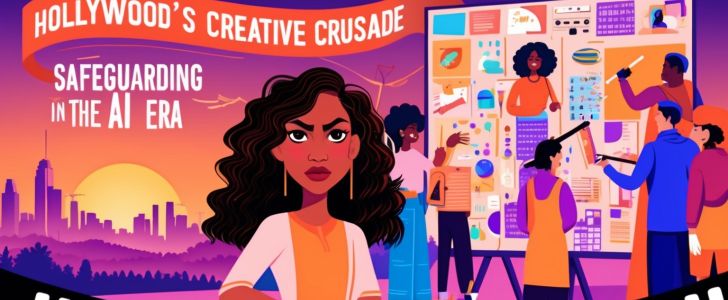
This movement sees a host of prominent figures from the film and television industry uniting to address concerns over the unauthorized use of creative work in emerging technologies. The concern stems from long-standing tensions between creative professionals and technology companies that replicate artistic efforts without proper permission. Many in Hollywood feel that the digital imitations produced by these companies devalue the hard-earned work of artists and disrupt a market that should reward originality.
Among those lending their support are well-known Talented actors and innovative directors whose work has profoundly influenced the entertainment world. Notable names include:
- Cate Blanchett
- Scarlett Johansson
- Vince Gilligan
- Common
- Joseph Gordon-Levitt
- MGMT
- Olivia Munn
This campaign also reflects ongoing challenges with digital recreations, where one celebrated actress has previously raised concerns about the misuse of her image in a widely circulated online project. Her experience underscores the broader issue of how advanced digital tools are being used to replicate the identities of established artists without the necessary consent.
A statement published on the campaign’s website emphasizes that the creative community not only inspires admiration worldwide but also plays a crucial role in job creation, economic development, and international cultural exchange. It argues that many major technology firms—often backed by significant financial investors—have been using the work of American creatives to develop artificial intelligence platforms without observing established copyright protections. The message conveyed is that misappropriating creative work under the guise of innovation simply amounts to theft rather than true progress.
The initiative does not call for banning artificial intelligence outright; instead, it advocates for regulations that properly honor the rights and wishes of those who produce original work. Although current policies lag behind rapid technological advancements, there is hope that legal frameworks will soon be updated to reflect the needs of creative professionals.